Is it possible for Botox to feel relaxing instead of intimidating? Yes, with the right approach, modern comfort-focused techniques make Botox a low-stress, highly personalized treatment that softens lines, refines features, and preserves natural expression.
I have spent years treating patients seeking subtle refinement rather than a frozen mask, including those anxious about discomfort. Comfort is not a marketing line, it is a protocol: thoughtful assessment, precise dosing, gentle technique, and clear aftercare. This article explains what a Botox comfort treatment looks like from consultation to results, the options it opens for the upper and lower face, and how to ensure the most natural outcome with the least downtime.
What “comfort treatment” really means
Comfort is both physical and psychological. Physically, it is reduced sting, minimal pressure, and quick injections. Psychologically, it is predictability, control, and trust in an experienced injector. A good session starts long before the syringe appears. I begin by asking how your face moves when you speak, laugh, or concentrate. I want to see your baseline animation and the expression lines that matter to you. From there, we tailor the plan so the softening is selective. The goal reads like this: refreshed look Botox, not erased identity.
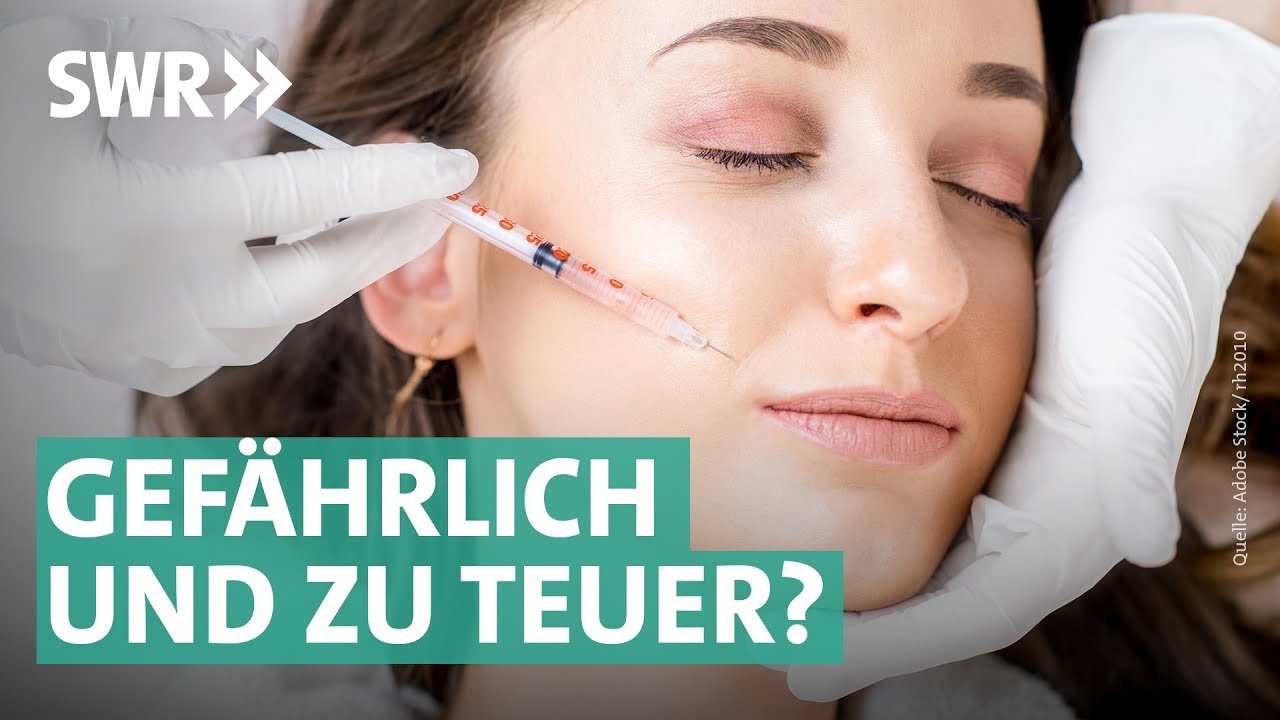
A comfort-focused session uses micro-needles, slow injection speed, and distraction techniques. Ice or topical numbing helps sensitive areas around eyes and lips. If someone is needle-shy, I coach them through a paced breath and use a tactile focus point so the mind has something else to track. These small steps shift the experience from tolerable to easy.
The map of facial movement: why precision matters
Botox is not a filler and does not plump. It gently relaxes targeted muscles so the skin above them smooths out. The artistry lies in knowing which fibers to calm and which to spare. The face is a network: relax the corrugators too much and the brows can flatten; under-treat the frontalis and forehead lines persist. I think in vectors and balance. We calibrate brow lift, smile dynamics, and lower face tone through selective dosing.
- Upper face: glabella lines between the brows, horizontal forehead lines, and crow’s feet around the eyes are the most common. A conservative approach avoids a heavy brow and preserves a natural forehead lift. Mid and lower face: subtle work on DAO (depressor anguli oris) can lift the corners of the mouth, light touches near the chin can smooth pebbled texture, and strategic dosing in the masseters can slim a square jaw while reducing bruxism or clenching. Neck and jawline: a Nefertiti-style pattern along the platysma bands can tidy mild neck laxity and sharpen the mandibular border. This is not a facelift, but it helps mild sagging skin appearance by releasing downward pull.
The plan is customized, not copy-pasted. A 35-year-old with early expression lines needs far less than a 55-year-old with etched creases. Preventative Botox injections in a lighter grid can slow the deepening of lines without changing how you look in motion.
Who is a good candidate for a comfort-focused session
If you want Botox wrinkle relaxer benefits with minimal downtime, you likely fit. Think fine lines and wrinkles developing from repeated expression, a resting angry face from tight glabellar muscles, or crow’s feet wrinkles that catch makeup. Those who grind teeth or wake with jaw tension also see outsized benefits. Botox for bruxism and teeth grinding in the masseters not only slims the lower face over time but also eases headaches and jaw soreness.
People with significant laxity, heavy jowling, or deeply sunken folds sometimes expect Botox to lift and fill. That is where good counseling matters. Botox helps expression-based lines and muscle overactivity. It does not fill nasolabial folds or marionette lines directly. It can soften the downward pull that worsens these areas, but volume loss typically needs filler, collagen biostimulators, energy devices, or a combination plan. A skilled injector explains those trade-offs plainly.
What an appointment looks like, minute by minute
Check-in and photos are quick. I take neutral, smile, frown, and eyebrow raise images so we can track changes. Mapping comes next: I mark small points where tailored Botox injection session doses will go. I confirm priorities, for example, “keep full movement in the outer brow, soften the central 11s, and maintain a hint of crow’s feet for a natural smile.”
For comfort, I apply ice for 10 to 20 seconds per zone or a thin layer of topical numbing 10 to 15 minutes beforehand for sensitive areas like the upper lip. Most upper face treatments need only ice. The injections themselves take about 5 to 10 minutes for the upper face and 5 to 10 minutes more if we include lower face or masseter reduction. Expect a faint pressure or quick pinprick that fades in seconds.
People often ask about Botox swelling and bruising. Tiny blebs may appear and resolve within 10 to 20 minutes as the liquid disperses. Bruising risk is modest in the forehead and higher around eyes and lips due to delicate vessels. Careful technique, gentle pressure, and avoiding certain supplements that thin blood beforehand reduce this.
Doses, units, and how long results last
Units vary by muscle strength, gender, metabolism, and aesthetic goal. A glabella zone may need 10 to 25 units; the forehead 6 to 20 units; crow’s feet 4 to 12 units per side; masseters 20 to 40 units per side for facial slimming and clenching, sometimes more when the muscles are very strong. These are ranges, not promises, and not every brand converts 1:1. Always ask what brand is used and how your provider calibrates.
Onset begins as early as day 3 to 4, with full effect by day 10 to 14. Botox effect duration is typically 3 to 4 months. Masseter treatments can last 4 to 6 months and sometimes longer after several cycles due to a de-training effect. Botox maintenance plans usually schedule a follow up visit at 2 weeks to check symmetry and a reapplication window around 12 to 16 weeks depending on your goals and budget. Patients who prefer ultra-subtle botox may touch up more frequently with lower doses to keep a steady, soft result rather than letting everything wear off and starting over.
Natural results without the “frozen” look
The fear of a rigid forehead is common. Natural results depend on respecting what your face does when you express. If you sing, lecture, or act, your eyebrows are communication tools. I often keep a gradient, more relaxation between the brows with lighter dosing higher up so the frontalis retains lift. For smiling, I soften crow’s feet without wiping out all crinkle, which reads warm and friendly. For the lower face, careful work to lift corners of mouth helps a tired look, but I avoid over-relaxing the upper lip which can affect speech or straw use.
A balanced plan also acknowledges facial asymmetry. Nearly everyone has one eyebrow that sits slightly higher or a smile that pulls more on one side. Botox for facial asymmetry can even this by addressing the stronger side selectively. Results look most “like you” when asymmetry is managed on purpose rather than ignored.
Targeted zones and what to expect from each
Upper face:
- Botox glabellar treatment softens the vertical 11s and reduces the resting angry face. Expect smoother skin between the brows and a lighter, more approachable look. Forehead lines respond well to low to moderate dosing. The goal is skin smoothing with the brow still able to lift lightly. Botox around eyes for crow’s feet wrinkles reduces crinkling and softens fine lines. It also subtly opens the eye area, contributing to botox eye rejuvenation. For those seeking a refined arch, botox for eyebrow lift and botox to lift eyebrows involve selective relaxation of lateral fibers that pull the brow down. This can provide a modest eyelid lift, but true botox for droopy eyelids is limited if lid skin is heavy. In that case, a blepharoplasty consultation might be discussed.
Midface contributors: Bunny lines on the nose form when we scrunch during laughter or squint. A couple of precisely placed units can smooth these without affecting smile dynamics. Smoker’s lines around the mouth respond to micro-doses, but I warn that too much can affect lip movement. Nasolabial folds are better suited to volume strategies, though reducing midface muscle pull can sometimes soften their appearance.
Lower face and jaw: Botox for masseter reduction is transformative for the right candidate. People who clench find both aesthetic and functional relief. As the muscle relaxes, the lower face appears slimmer, which many describe as botox facial slimming or jaw slimming. It is a gradual shift, visible after a few weeks, and more pronounced after two to three sessions spaced months apart. For the chin, micro-doses smooth orange-peel texture and can soften a pointy mentalis pull. A touch along the DAO can help lift the corners of the mouth and improve a downturned expression without filler.
Neck refinement: Platysma bands can be treated in a grid to improve neck tone. It will not remove a double chin or tighten lax skin like surgery, but for mild banding it provides a cleaner jawline. True botox for double chin is a misconception, as fat under the chin responds better to deoxycholic acid or device-based options, sometimes paired with muscle work for contour balance.
The “Botox facial” and microinjection trends
You have probably heard of a Botox glow facial, microinjection, or Botox skin booster. These use highly diluted botulinum toxin placed very superficially in microdroplets, sometimes blended with skin-boosting ingredients. When performed correctly, they can improve skin texture, reduce oiliness, and minimize the look of large pores without altering deep muscle movement. Patients prone to oily skin or makeup meltdown often appreciate this, particularly across the T-zone. I describe it as botox skin smoothing rather than a wrinkle relaxer, because the mechanism is different. Expectations matter: it will not lift, and it will not replace standard dosing for expression lines, but it can create a fresher canvas and smoother skin texture.
I limit microinjection in very thin or dry skin, where too much superficial product can risk a shiny or overly tight appearance. It shines in those with active sebaceous glands and modest textural issues, sometimes including acne scars that look softer when pore size and oil output are reduced.
Safety, qualifications, and product choice
Safe botox treatment starts with a licensed provider skilled in facial anatomy. A board-certified specialist or experienced injector tracks muscle depth, nerve pathways, and vascular landmarks. Complications are uncommon when technique is precise. The two outcomes patients worry about most are brow or eyelid heaviness and asymmetry. Both are preventable with careful dosing and can be corrected as they wear off if they occur.
Ask your provider which brand they use. OnabotulinumtoxinA, abobotulinumtoxinA, incobotulinumtoxinA, and prabotulinumtoxinA are different formulations of botulinum toxin type A with similar results when used botox services in West Columbia appropriately, but unit potency is not interchangeable. An injector familiar with their chosen brand’s characteristics will give more predictable outcomes.
Pre-treatment choices that improve comfort and results
One short list is worth keeping on the fridge before your appointment.
- Skip blood-thinning supplements like high-dose fish oil, vitamin E, ginkgo, and garlic for 3 to 5 days unless prescribed by your doctor. Avoid alcohol the night before to reduce bruising risk. Arrive with clean skin, no heavy makeup or thick SPF layer. Share your history of cold sores, recent antibiotics, or planned dental work. Bring photos of your ideal “after,” not to copy, but to align expectations and style.
Aftercare that fits a busy schedule
Most people love that Botox has no downtime. You can go back to emails or errands right away. I advise staying upright for about four hours, avoiding intense workouts, saunas, or facials for the rest of the day, and skipping massage pressure on treated areas for 24 hours. Light makeup is fine after a few hours if the skin looks calm.
Small bumps settle quickly. If a bruise appears, topical arnica or a cool compress helps. Tingling or tightness can show up as the product begins to work. You will feel the change more than you see it in the first few days. Real smoothing shows up around day 7 to 10. If something looks uneven at two weeks, that is the moment for a botox touch-up session. A well-run practice books this follow-up routinely so you are never guessing.
Tailoring for first-timers and those with past bad experiences
First botox experience nerves are common, especially if a friend had a heavy result. I start light. Early botox treatment with conservative dosing is wise, especially in the forehead where too much can flatten animation. For those burned by a previous injector, I ask what specifically felt off. Was it brow heaviness, smile change, or an off-center lift? We rebuild trust by addressing the mistake in the plan. For example, someone with strong lateral frontalis might need spared zones at the outer forehead to preserve lift.
If pain is the blocker, I layer comfort: topical anesthetic, ice, a vibrating distraction device next to the injection point, and a slow hand. Patients often blink in surprise when it is over because it took less time and hurt less than they expected.
Addressing specific concerns with clear expectations
- Botox for under eye wrinkles: fine, crepey lines right under the lash line are tricky. Very low dose is possible in select cases, but this area is prone to swelling and smile change. I often pair a tiny dose near the crow’s feet with skin-boosting strategies rather than injecting directly under the eye. Botox for eyelid lift: modest lift is possible through shaping the muscles that press the brow down, not by treating the eyelid itself. Heavy lids from excess skin need surgical evaluation. Botox for sagging skin: muscle relaxation can release downward pull, which makes mild laxity look better, but it does not tighten skin. For facial tightening and collagen stimulation, devices or biostimulators are better partners. Botox for facial contouring: the jawline and masseters are the real levers. Subtle changes in chin and DAO muscles refine lower face balance. Botox for facial tension: beyond aesthetics, relieving habitual frowning, clenching, or eyebrow squeezing reduces tension headaches and TMJ symptoms for many.
How I plan a full-face “refresh,” not a patchwork of dots
A thoughtful plan looks at the upper face, midface, and lower face together so you do not fix one area and create odd dynamics in another. Example: a 42-year-old project manager spends hours on video calls and hates the crease between her brows that makes her look stern. We treat the glabella at a moderate dose, place a light forehead gradient so her brows still lift, soften the outer crow’s feet to avoid a pinched look, and add a micro-dose to lift corners of mouth. Total time in the chair: about 20 minutes including numbing. She returns at day 14 smiling, not because she looks 10 years younger, but because she looks rested and approachable.
Another example: a 31-year-old night-shift nurse has clenching and a widening jawline. We prioritize botox for bruxism with masseter reduction, skipping the forehead for now to keep cost focused on the functional win. At three months, her jaw aches less, and the lower face looks slimmer. We then add a subtle crow’s feet polish before wedding photos. The sequence serves both comfort and impact.
Managing side effects and rare complications
Common, mild effects include small red bumps, tenderness, and a pinpoint bruise. Headaches can occur, more often in first-timers, and usually pass within a day or two. Transient eyebrow or eyelid heaviness is typically the result of diffusion into adjacent fibers or over-relaxation. This is why I avoid aggressive dosing close to the brow on the first visit. If heaviness occurs, we discuss ways to ride it out comfortably while it wears off.
Serious complications are rare when performed by a trained medical professional. Being transparent about risks builds trust. I review them briefly, answer questions, and make sure every patient knows how to reach me post treatment. A patient who feels supported is more relaxed next time, which loops back into the comfort philosophy.
The rhythm of maintenance without feeling “stuck”
People worry that once they start, they cannot stop. You can. Lines gradually return as the effect fades. There is no rebound worsening. That said, strategic maintenance keeps creases from etching deeper. Many of my patients do a Botox reapplication every 3 to 4 months for the upper face and twice yearly for masseters. Others prefer a seasonal Botox facial refresh before big events. I track unit counts and zones so we can replicate successes or refine patterns.
When budgets change, I prioritize the single area that bugs you most. This preserves the confidence boost without overcommitting. Practical medicine respects real life.
What makes results look “expensive” rather than “obvious”
Three principles elevate outcomes:
- Gentle gradients: more relaxation where lines are etched, less where expression defines character. Respect for light: smoothing where light catches the skin, like the central forehead and outer eye area, makes you look rested. Harmony: upper face softening balanced by lower face tone so the smile reads genuine.
This is what people mean by botox cosmetic artistry and botox precision treatment. It is not about high doses, it is about where, how deep, and how the face moves.
Myth checks
Botox for oily skin fixes acne. False. It can reduce oil and shine in targeted zones and improve complexion, but it does not treat inflamed lesions directly. It pairs well with a dermatologist-guided regimen.
Botox fills nasolabial folds. False. Those folds are a volume and ligament story. Muscle work can help the perioral dynamics, yet the fold itself calls for filler or structural support.
Botox is only for older patients. False. Preventative botox injections in the late 20s to 30s can slow formation of fixed lines, especially in the glabella and crow’s feet, with very low doses. The aesthetic is soft results, not a dramatic change.
If it did not last six months, it was “bad Botox.” Not necessarily. Duration hinges on metabolism, dose, muscle strength, and brand. Athletes and expressive personalities often need slightly more frequent sessions. Quality is measured in natural results and steady timelines, not only months.
What comfort feels like from the chair
The room is calm, the chair reclines slightly, and the conversation is specific. We agree that today is about softening glabella lines, maintaining a little lateral brow lift, and easing jaw tension. Ice touches the skin for a few seconds, the needle passes quickly, you breathe in for four, out for six. By the time we reach the second brow, the first area already feels like a memory. No burning, no pressure, just a few pricks and it is done. You glance at the mirror, see faint dots that will fade in minutes, and we schedule a short check in around day 14. That is a botox comfort treatment: simple, precise, and respectful of your time and your face.
Building your personalized plan
Your plan should reflect how you live. If you are a public speaker, we prioritize natural forehead movement. If you are a night-shift clinician with jaw pain, we lead with masseters. If your skin is oily with large pores on the nose and cheeks, a periodic botox microinjection may complement standard zones. If you are camera-facing, we plan sessions so peak effect hits before filming, and we avoid first-time changes right before big shoots.
A personalized botox plan evolves. The first visit sets the baseline, the second fine tunes, and by the third we usually have a rhythm. That is when the process becomes almost automatic, with minimal discomfort and reliable, refreshed results.
Final thoughts for the meticulous patient
Choose a botox trusted provider who listens more than they talk, maps your movement rather than pushing a package, and is conservative on day one. Comfort is not the absence of sensation, it is the presence of control. With a tailored approach, botox wrinkle treatment can be both pain-free botox in feel and subtle botox in outcome. The best botox experience leaves friends saying, “You look well rested,” not “What did you have done?”
If you want smoother skin texture, fewer expression lines, and relief from facial tension or clenching, consider a consultation focused on Botox skin rejuvenation therapy with a board-certified specialist. Bring your priorities, and expect a plan that respects them. Real artistry starts there, and comfort follows naturally.